



The History of Pawnbroking
For centuries, pawnbroking has played a vital role in communities worldwide, providing a practical and accessible solution for those in need of short-term financial support. From the royal courts of medieval Europe, where even King Henry V is said to have pledged valuables to fund his campaigns, to the bustling high streets of modern Britain, pawnbroking has continually evolved to meet the needs of the times. At Ramsdens, we've proudly been part of that tradition since 1987, blending time-honoured principles with modern professionalism to serve our customers with fairness, transparency and care. This guide explores the rich and often surprising history of pawnbroking, tracing its journey from ancient origins to its current place in the UK’s financial landscape.Apply for a Loan
Related Guides

Origins of Pawnbroking (Ancient to Medieval)
The practice of pawnbroking is one of the oldest forms of financial service in human history, with its roots stretching back over 3,000 years. Long before modern banking institutions, individuals and even rulers relied on pawnbrokers to access funds quickly and securely. The principle has always been simple yet powerful: pledge a valuable item in exchange for a loan, with the option to redeem the item upon repayment with interest. This system has stood the test of time, adapting to the needs of different eras and cultures—something Ramsdens continues with pride today, blending historical tradition with modern service.

Ancient Civilisations
The first documented examples of pawnbroking date back to Ancient China, where, as early as the 5th century BCE, Buddhist monasteries offered interest-free or low-interest loans to those in need. These pawnbrokers were designed not for profit, but as a means of helping the poor.
In the Classical West, pawnbroking was commonplace in both Ancient Greece and Rome. Roman law formally regulated the practice, recognising the pawn agreement (known as pignus) and protecting both borrower and lender. Items commonly pawned included jewellery, garments, and household tools. The basic structure of these ancient transactions is surprisingly similar to how pawnbroking operates in the 21st century.
The Lombards and the Pawnbroker's Symbol
During the Middle Ages, pawnbroking evolved further through the influence of the Lombards, a group of powerful Italian merchant bankers who travelled across Europe. The Lombards lent money against pledges and often operated in major trading cities, including London, where Lombard Street, still a financial hub, bears their name. The iconic symbol of the pawnbroker, three golden balls suspended from a bar, is believed to originate from the Lombards’ coat of arms and has endured as the universal sign of the trade.

Pawnbroking in Royal Courts
Perhaps surprisingly, pawnbroking was not only the preserve of the poor. Throughout the Middle Ages and into the early modern period, even kings and queens pawned their belongings to fund war efforts, royal ceremonies, or household expenses.
King Henry V of England, preparing for his 1415 campaign in France (which famously led to the Battle of Agincourt), is recorded as having pawned royal jewellery and plate to finance his army. With the Crown’s coffers strained, pawning valuables became a necessary and accepted part of wartime finance.
His father, Henry IV, also engaged in similar practices, often relying on loans secured by royal possessions.
Edward III, during the earlier phases of the Hundred Years’ War, pawned his jewels and even the crown itself on occasion to fund his military campaigns in France.
In Europe, Queen Isabella of Spain is famously said to have pawned her jewels to finance Christopher Columbus’s first voyage in 1492, though historians now debate the accuracy of this tale—it remains a powerful illustration of pawnbroking’s association with great historical moments.
These royal examples highlight how pawnbroking was not only essential for individuals in need but also a cornerstone of statecraft and diplomacy. Whether raising an army or exploring unknown worlds, pawning was often the fastest way to generate immediate funds from tangible assets.
Religious and Legal Perspectives
In medieval Christian Europe, pawnbroking existed within a complex moral and legal framework. The Church condemned usury—defined as the charging of excessive or exploitative interest—but recognised the need for practical lending mechanisms. This tension led to the rise of montes pietatis (literally "mounts of piety"): charitable pawnbrokers established by Franciscan monks in Italy during the 15th century. These institutions offered low-interest loans to the poor as a means of preventing exploitation by unregulated lenders.
This spirit of ethical lending is something Ramsdens embraces today, ensuring that our customers are treated with fairness, dignity, and transparency at every stage of the pawnbroking process.

Pawnbroking in the UK (Early Modern to 19th Century)
While pawnbroking had long been practised informally in Britain, it was during the Early Modern period, roughly from the 16th century onwards, that it began to take on a more recognisable and regulated form. As towns grew and trade flourished, pawnbroking became a vital part of everyday economic life, particularly among the working classes. In the absence of formal banking for ordinary people, the pawnbroker served as both a moneylender and a trusted member of the local community. This legacy of accessibility and service continues today in businesses like Ramsdens, which carry forward the tradition of providing fair and straightforward short-term lending.

The Rise of the Pawnbroker
By the Elizabethan era, pawnbroking had become well-established across England, with pawnbrokers operating in towns and cities from London to York. Items commonly pawned included clothing, tools, household goods, and jewellery, often everyday possessions that held both sentimental and practical value. For many, the local pawnshop was not a place of desperation but of routine economic exchange: wages were often paid irregularly, and pawning an item provided a bridge to the next payday.
During this time, the term “uncle” emerged as a colloquial name for the pawnbroker, a nod to the trusted (if sometimes begrudgingly necessary) role they played in family finances. Even today, the phrase “gone to Uncle” remains a recognisable, if old-fashioned, expression of pawning something for cash.
Regulation and Reputation
The growing prominence of pawnbroking also brought calls for regulation. Concerns over interest rates, ethical standards, and customer rights led to various attempts by Parliament to impose order on the industry. However, it wasn’t until the Pawnbrokers Act of 1785—and more definitively, the Pawnbrokers Act of 1872—that comprehensive legislation was introduced. The 1872 Act established key rules around interest rates, ticketing, redemption periods, and licensing, many of which laid the groundwork for the regulatory frameworks that modern pawnbrokers, including Ramsdens, continue to adhere to.
While these reforms improved consumer protection, the image of pawnbroking during the 18th and 19th centuries was often shaped by literature and popular culture. Writers like Charles Dickens frequently portrayed pawnbrokers as grim or opportunistic, reflecting social anxieties of the time, but such depictions often overlooked the essential, even benevolent, role they played in supporting struggling families through hard times.
The Victorian Boom
The Victorian era saw pawnbroking reach its peak in the UK. Industrialisation brought massive population growth in urban areas, and with it, increased demand for short-term credit. By the mid-19th century, there were over 1,500 licensed pawnbrokers in London alone, with thousands more across the country. Some large establishments operated on multiple floors, storing everything from silverware and suits to musical instruments and sewing machines.
For the working class, pawnbroking was not a mark of shame, but a normal part of financial management. Many households used the pawnshop like a revolving line of credit, pawning items on Monday and redeeming them on Friday after payday. In this way, the pawnbroker acted as a stabilising presence during periods of economic volatility.

Foundations for the Future
By the end of the 19th century, pawnbroking had become a deeply embedded part of British society. The profession had its own trade associations, training standards, and place in the high street. Though its fortunes would rise and fall with the broader economy in the 20th century, the groundwork laid during this period ensured that pawnbroking remained a trusted, regulated, and relevant service for those in need of short-term credit.
At Ramsdens, we continue to build upon this heritage, recognising the essential role pawnbrokers have played, and still play, in offering everyday people a flexible financial option. While our services include retail jewellery, foreign currency exchange and gold buying, both in-store and online, pawnbroking remains a core part of our identity. In the spirit of those who came before us, we aim to provide a reliable, respectful service grounded in community trust and transparency.
Ramsdens are members of The National Pawnbrokers Association (NPA) which was founded in 1892 and is the trade association representing pawnbrokers, from the large chains through to independents. It is the authoritative voice of the pawnbroking industry in the UK.

Did You Know?
In Victorian Britain, pawnbroking was so widespread that it’s estimated one in five households regularly used a pawnbroker. For many working-class families, pawning items like coats, boots, or tools early in the week and redeeming them after payday became part of a weekly routine.
Pawnbrokers issued tickets for every pledge, detailing the loan amount, interest, and redemption terms. The Pawnbrokers Act 1872 required that these tickets be standardised, laying the foundation for the customer protections we still see today.
And the iconic pawnbroker’s symbol, three golden balls, was so common that children would often use them as a point of reference when learning to count!

20th Century Developments
The 20th century brought profound changes to every aspect of British life, and pawnbroking was no exception. As society shifted through war, welfare reform, economic booms, and busts, the role of the pawnbroker evolved alongside it. While the core principle of offering loans against items of value remained, the wider financial landscape transformed, and with it, the place of pawnbroking on the high street. For companies like Ramsdens, founded later in the century, this period of transition set the stage for a modern, regulated, and customer-focused pawnbroking industry.
Early 20th Century: War and Necessity
In the early 1900s, pawnbroking was still widely used across Britain, especially in industrial and working-class communities. The First World War (1914–1918) caused major social and economic disruption, and many families relied on pawnbrokers to get by while breadwinners were away at war. Clothes, watches, and tools remained common items for pledging, and pawnbrokers continued to serve as local financial lifelines.
After the war, Britain experienced both a brief economic upswing and a devastating depression by the late 1920s and early 1930s. Once again, pawnbroking became a crucial source of short-term credit for families affected by unemployment and rising living costs. The image of the pawnshop as a fixture of the working-class high street remained strong during this time.

Mid-Century Decline
From the 1940s through to the 1970s, however, the pawnbroking trade faced a serious decline. The introduction of the welfare state, state pensions, and unemployment benefits after the Second World War meant that fewer people were forced to rely on pawnbroking in times of hardship. At the same time, access to consumer credit increased. Hire purchase schemes and credit cards became more common, especially during the post-war economic boom.
By the 1960s and 70s, many traditional pawnbrokers had closed, and the trade suffered from a dated public image. In popular culture, pawnbroking was
sometimes unfairly associated with desperation or decline. But even during these quieter decades, pawnbrokers remained a quiet constant, offering an alternative to high-interest lending and keeping alive a centuries-old tradition of asset-based credit.

Late 20th Century Revival
In the 1980s, a changing economy brought pawnbroking back into relevance. Economic recessions, unemployment, and inflation led many people to seek flexible, short-term credit once again. At the same time, pawnbrokers began to modernise, offering a more professional and customer-focused service than the shops of the past.
It was during this period of revival that we at Ramsdens were founded in 1987, in Stockton, initially offering financial services and currency exchange. Over time, pawnbroking became a core part of the Ramsdens business, reflecting the renewed demand for fast, transparent lending secured against valuables like gold, jewellery, and watches.
By the late 1990s, pawnbroking had entered a new era, regulated, reputable, and increasingly integrated with other retail and financial services. The groundwork was being laid for the multichannel approach adopted by companies like us today, blending in-branch service with e-commerce, valuations, and ethical standards shaped by decades of reform.

The Emergence of Modern Pawnbroking (1980s Onwards)
The late 20th century marked a turning point for pawnbroking in the UK. After decades of decline, the economic challenges of the 1980s, rising unemployment, high inflation, and restricted access to traditional credit prompted a renewed need for flexible, short-term lending. Pawnbroking reemerged as a practical solution for individuals seeking immediate access to cash without incurring long-term debt or undergoing credit checks.
Crucially, the industry began to modernise. Pawnbrokers moved away from dimly lit, backstreet shops and towards clean, professional, high-street premises. Regulations were strengthened, customer service improved, and the trade began to shake off its outdated stigma. Technology, too, played a role, with computerised systems, online valuations, and eventually, multichannel customer engagement becoming standard.
By the early 2000s, pawnbroking had firmly re-established itself as a legitimate part of the UK’s financial services landscape, respected, regulated, and responsive to changing customer needs. It was in this newly professionalised environment that companies like ours not only adapted but also helped lead the way.

Regulation and Compliance
Modern pawnbroking in the UK is a highly regulated industry, with a strong emphasis on consumer protection, fair practice, and financial transparency. Unlike the loosely governed trade of earlier centuries, today’s pawnbrokers must operate under strict legal frameworks designed to uphold trust and accountability.
Legal Oversight
All UK pawnbrokers, including us at Ramsdens, are regulated by the Financial Conduct Authority (FCA). This means every aspect of the lending process—from valuation and interest rates to contract terms and data handling—is monitored to ensure compliance with national standards.
Key legislation includes:
The Consumer Credit Act 1974 sets the legal foundation for credit agreements, including pawn contracts.
The Money Laundering Regulations require identity checks and anti-fraud measures, helping to prevent the trade in stolen goods.
The Financial Services and Markets Act 2000 – ensures that all financial promotions are fair and not misleading.
At Ramsdens, regulation isn’t just a requirement—it’s part of the company’s customer-first philosophy. Staff are trained to explain agreements clearly, offer fair valuations, and support customers through a transparent and respectful process.

Cultural Depictions of Pawnbroking
Pawnbroking has long featured in British culture, as both a symbol of hardship and a mark of resourcefulness. From Victorian literature to modern television, it reflects society’s changing attitudes towards money, credit, and class.
In Charles Dickens’ novels, pawnbrokers often appear as grim but necessary figures in working-class life. Scenes of families pawning cherished belongings capture the desperation of the time, but also highlight how vital pawnbrokers were in a world with no welfare safety net.
In the 21st century, the image of the pawnshop shifted again, sometimes seen as old-fashioned or stigmatised, but also celebrated in local storytelling, songs, and even pub names. More recently, shows like Pawn Stars and documentaries on modern UK high streets have helped demystify the trade, showing it as a professional, customer-focused service.
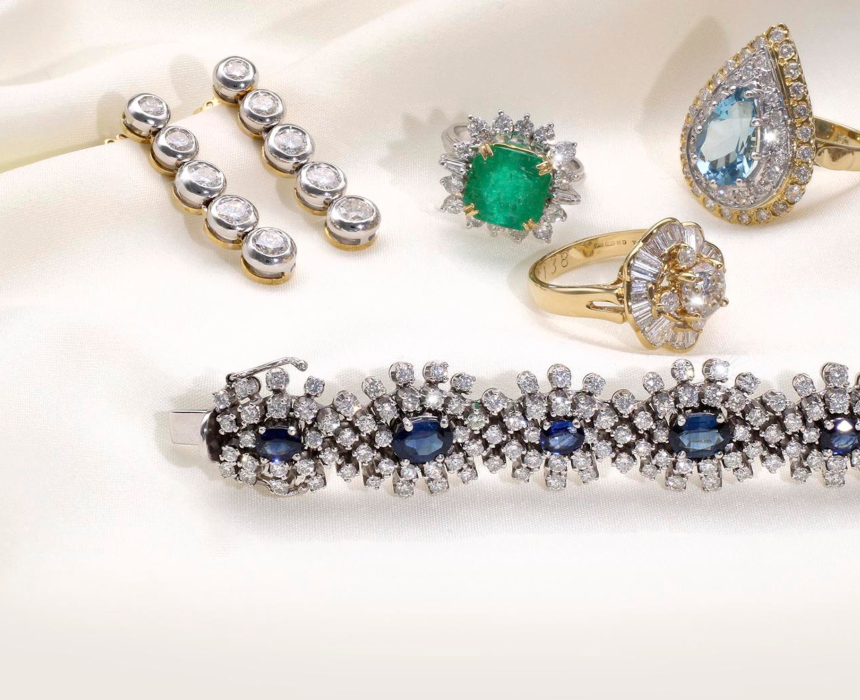
At Ramsdens, we’re proud to be part of this rich cultural history. From helping families meet unexpected costs to selling quality pre-owned jewellery, our work reflects real lives, real value, and real trust, past and present.
International Comparisons
While pawnbroking has deep historical roots in the UK, it is by no means a uniquely British phenomenon. Across the globe, pawnbroking has evolved in remarkably diverse ways, shaped by local culture, regulation, religion, and economic needs. Comparing international models offers valuable insight into the enduring global relevance of this ancient profession.
United States
In the US, pawnbroking is big business. With an estimated 10,000 pawnbrokers nationwide, the trade is often seen as a mainstream form of credit. American pawnbrokers typically operate under state-level regulations, with each state setting its own rules for interest rates, redemption periods, and licensing. Unlike in the UK, firearms are a common item pawned or sold in many US shops.
Cultural visibility is also higher in the US, thanks in part to television shows like Pawn Stars, which have popularised the industry and highlighted the mix of historical intrigue, negotiation, and retail that modern pawnbroking offers.
Asia
In countries such as Hong Kong, Thailand, and the Philippines, pawnbroking is widespread and deeply embedded in everyday life. Shops are often family-run, operating in densely populated urban areas where quick, small-scale loans are in constant demand. Gold jewellery is the most commonly pledged item, and transactions are typically fast and paper-based.
In China, pawnbroking has seen a resurgence in recent decades, with many shops now offering additional services like real estate loans and online pledging platforms—demonstrating how traditional practices can be adapted to modern financial ecosystems.

Europe
In France, Italy, and Spain, pawnbroking has its roots in charitable institutions like the Mont de Piété (Mount of Piety). These nonprofit-style pawnbrokers were originally set up to combat usury by offering low-interest loans to the poor. Today, many continue to operate, with the Crédit Municipal de Paris being one of the oldest and most iconic examples.
In Germany, pawnbroking remains highly regulated and professionalised, with clear limits on interest and fees. Customers are often middle-income individuals seeking temporary liquidity rather than long-term borrowing.
Latin America and Africa
In parts of Latin America, pawnbroking is common but often informal, with varying levels of regulation. Items pawned range from electronics to motorbikes, and shops may be integrated into local markets. In Mexico, for instance, institutions like Nacional Monte de Piedad operate as charitable pawnbroking foundations with centuries of history.
In sub-Saharan Africa, pawnbroking exists mainly in urban centres and is often part of a broader network of informal lending. Regulatory oversight varies widely, but the principle remains the same: fast, collateral-based lending to support short-term needs.

Global Insights
Across all these regions, the core function of pawnbroking remains consistent, offering quick, secured loans without credit checks, but the cultural meaning and business models differ dramatically. While Ramsdens operates in the UK, we’re part of a global tradition of asset-based lending that continues to adapt to meet the needs of modern communities.
The Future of Pawnbroking
Pawnbroking has endured for millennia by evolving with the times, and its future looks no different. As technology reshapes how we shop, borrow, and manage our finances, pawnbroking is embracing digital transformation while staying true to its core principles: speed, security, and service.
In the years ahead, we can expect further integration of digital platforms, with more customers using online valuations, virtual pledging, and app-based account management. Innovations such as AI-powered authentication tools and real-time market pricing for precious metals are already helping pawnbrokers offer more accurate and efficient services.
Meanwhile, rising awareness around ethical finance, sustainability, and the circular economy positions pawnbroking as a forward-thinking solution. Unlike traditional credit, pawnbroking doesn’t rely on long-term debt or affect a customer’s credit score, making it an inclusive and transparent option. It also encourages reuse, particularly in the jewellery and luxury goods market, aligning with modern values around responsible consumption.
At Ramsdens, we see the future as an opportunity to lead. With continued investment in technology, training, and customer experience, we aim to ensure that pawnbroking remains a trusted, accessible service for the next generation, on the high street and beyond.

Conclusion
From ancient empires to modern high streets, pawnbroking has always served a simple yet essential purpose: providing quick, secure access to cash when it’s needed most. Across cultures and centuries, it has helped people navigate uncertainty, manage opportunity, and maintain dignity during difficult times.
At Ramsdens, we’re proud to be part of this enduring tradition. Since 1987, we’ve helped thousands of customers across the UK access fair, regulated financial services with professionalism and care. Today, with over 160 branches, a thriving online presence, and a strong community focus, we continue to build on the past while shaping the future.
Pawnbroking is not just a business; it’s a story of trust, resilience, and real-life support. And that story is far from over.